
Garage Door Wont Open? A Practical Guide for Murrieta Homeowners
If your garage door won’t open, you’re not alone—this is one of the most common issues faced by homeowners in Murrieta and the surrounding area. Broken springs are a common problem with garage doors and often require professional repair. This guide explains the most frequent causes, including faulty equipment such as the opener system or keypad, simple troubleshooting steps, and when to call a professional, so you can get your garage door working again quickly and safely.
Key Takeaways
Start by checking power to the garage door opener, remote batteries, the circuit breaker, and whether a manual lock is engaged before assuming major damage.
Common causes when a garage door won’t open include broken springs, misaligned photo-eye sensors, blocked or bent tracks, and incorrect limit settings on the opener.
Never attempt DIY repair on broken springs or high tension cables—these should always be handled by a trained garage door repair technician.
If the door opens only part way or won’t go fully open, inspect for obstructions, worn rollers, track issues, and limit switch problems on the opener.
Calling a professional gives you immediate access to expert help, which can save you time and money by quickly resolving issues without unnecessary delays or costly mistakes.
Old Town Garage Door Repair provides same-day and 24/7 emergency garage door services throughout Murrieta, Temecula, Wildomar, Menifee, and surrounding Inland Empire areas.
Quick Checks to Try First When Your Garage Door Won’t Open
Homeowners in Murrieta often solve “door won’t open” issues with basic checks in under a few minutes. Before calling for professional help, run through these simple troubleshooting steps that address the most common causes.
All garage door opener systems depend on proper electrical power for operation. Confirm your opener unit is plugged into the overhead outlet—vibration from the motor can cause the plug to loosen over time, disrupting the power supply. Test the outlet by plugging in a lamp or radio. Power supply issues can cause a garage door to be unresponsive, so this step is essential.
Next, locate your home’s electrical panel (often in the garage, hallway, or exterior wall) and look for a tripped circuit breaker labeled “Garage,” “GDO,” or “Garage Door Opener.” A common reason for a garage door not opening is a tripped circuit breaker, which you can resolve by flipping the breaker fully off, then back to the on position.
Additional quick checks include:
Remote batteries: Weak or dead remote batteries can prevent your garage door from opening. Replace with fresh AA, AAA, or coin-cell batteries and re-try from several feet away.
Wall control: Verify the wall button’s LED is lit and not in “lock” mode. Try to open the door from the wall button directly.
GFCI outlet: In homes built after the mid-2000s, reset any tripped GFCI outlet in the garage.
Flashing indicator lights: Check for flashing lights on the opener unit, as these lights can signal sensor misalignment, electrical issues, or other malfunctions.
Warning: Do not keep pressing the opener repeatedly if the door does not move. This can overheat the motor and cause burnout. Listen carefully to hear any unusual sounds or clicks from the opener or motor, as these audio cues can help identify the problem.
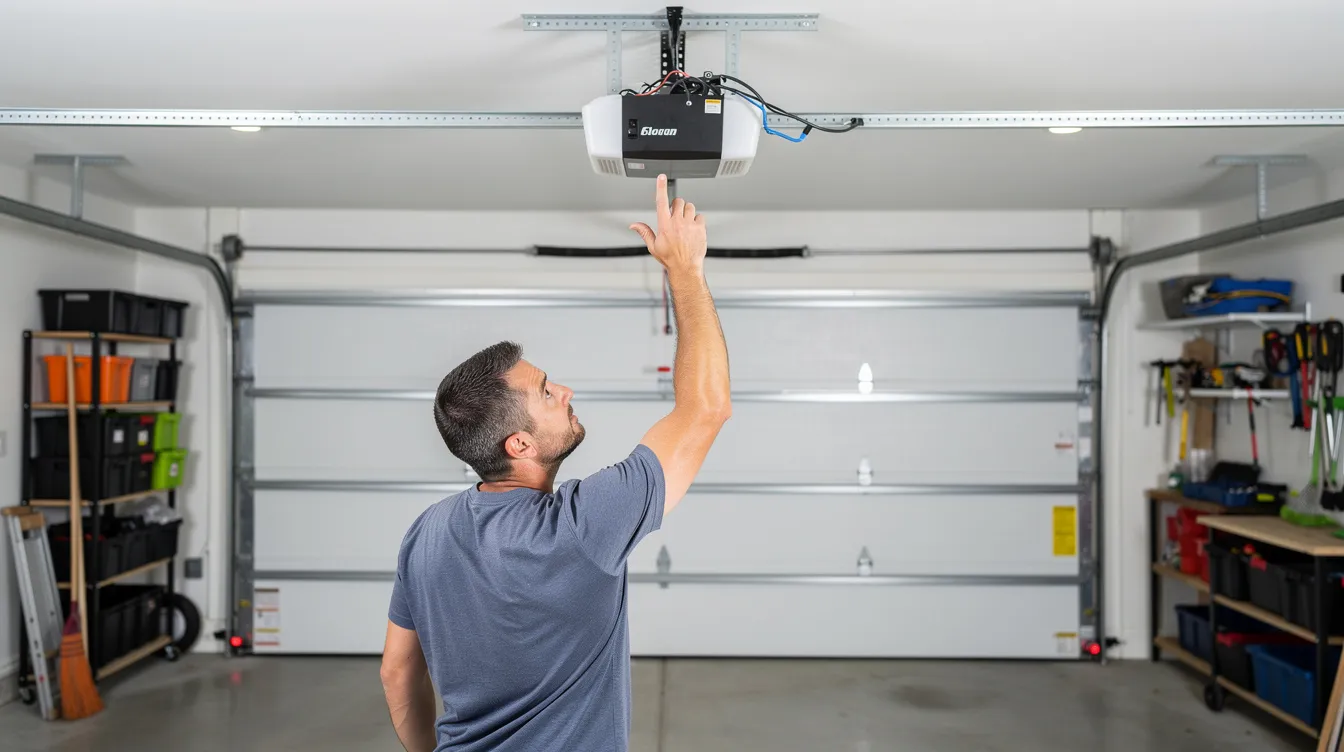
If these steps do not resolve the issue, consult your owner's manual for additional troubleshooting steps specific to your garage door opener model.
Simple Mechanical Issues: Locks, Disengaged Openers, and Obstructions
Many stuck garage doors in older Murrieta and Temecula homes are caused by manual locks, trolley position, or small blockages—problems you can often fix without tools.
Manual Lock Engagement
If the manual lock on the garage door is engaged, it will prevent the door from opening. Most steel sectional doors have an interior slide-bar or handle lock on the side of the door. Check that this lock is fully disengaged before attempting to operate the opener.
Emergency Release Cord
The emergency release handle allows manual operation of the garage door in case of opener failure. Look for the red handle hanging from the opener rail about 7-8 feet high. Pull it straight down to disconnect the trolley from the drive mechanism. You can then lift the door manually with both hands.
Track Obstructions
Obstructions in the tracks, such as debris or small objects, can stop a garage door from opening fully. Inspect both vertical and horizontal tracks for:
Tools, bikes, or fallen broom handles
Leaves, hardened mud, or accumulated debris
Items stored against the track
Clear any blockages you find. If the door feels unusually heavy or sticks halfway when lifted by hand, the problem may involve springs or cables and requires a professional.
Common Mechanical Failures That Stop a Garage Door from Opening
Garage doors in the Inland Empire can cycle thousands of times per year, causing wear on critical components. Common mechanical failures that can prevent a garage door from opening include broken springs and obstructed tracks. These failures often cause the motor running sound without movement, or the opener to hum and strain while the door stays stuck.
Perform visual inspection from the ground with the door closed. Never attempt to loosen hardware or touch springs yourself.
Broken Springs
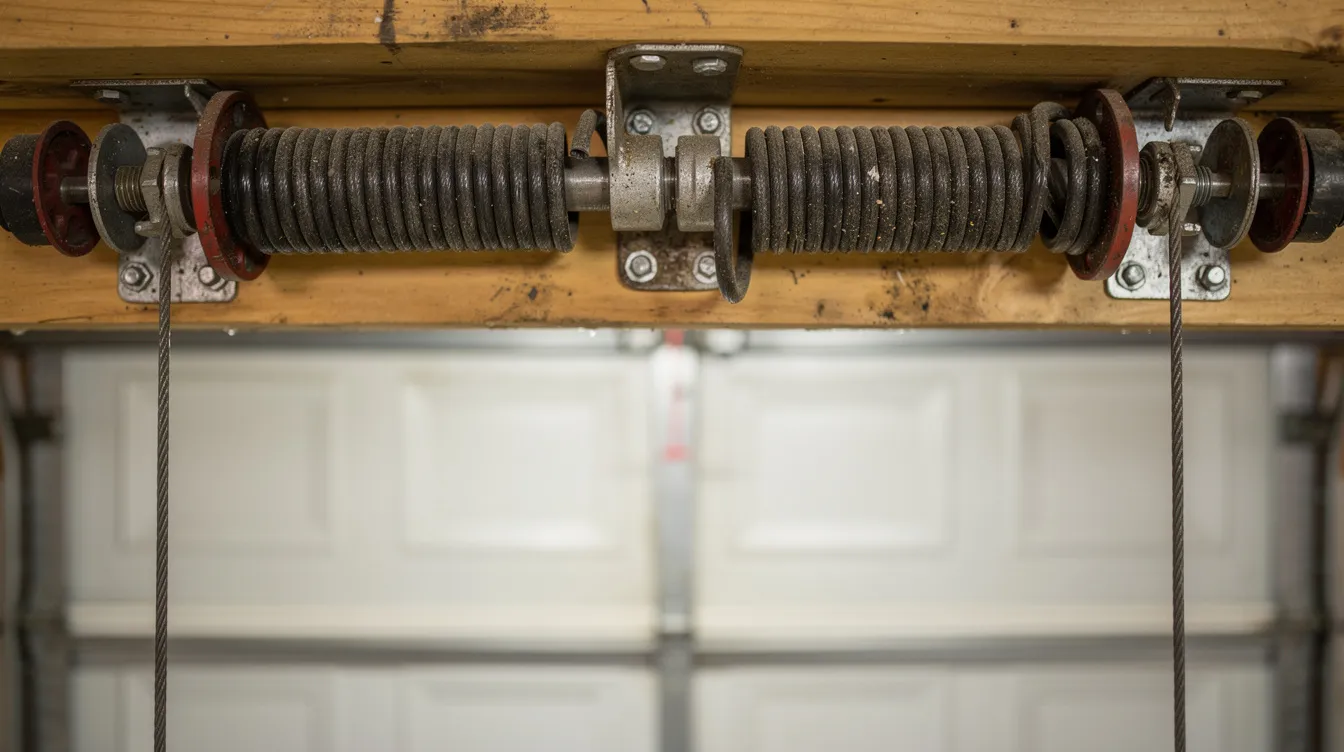
Garage doors rely on springs, either torsion or extension, to perform the heavy lifting necessary for opening and closing the door. Broken springs are one of the most common causes when a garage door won’t open—industry data shows they account for 15-20% of emergency calls.
Signs of broken springs include:
A visible gap in the torsion spring coil above the door
A loud “bang” heard from the garage (the snap of releasing tension)
The door feels impossibly heavy when lifted manually
Broken springs can cause the garage door to feel extremely heavy when lifted manually after disengaging from the opener. When a garage door spring breaks, the opener may struggle to move the door or stop working altogether, indicating a need for professional repair. Springs are under extreme tension—never attempt DIY spring replacement. Old Town Garage Door Repair offers same-day broken spring replacement using high-cycle springs throughout Murrieta and surrounding cities.
Snapped or Slack Cables
Lift cables are crucial for controlling the movement of the garage door and keeping it on track. These cables run along the sides of the door and wrap around drums near the torsion shaft.
Signs of cable issues:
Frayed wires or cables hanging loose
One side of the door higher than the other
Door jammed in the tracks
If cables snap or come off their drum, it can lead to malfunction. Cable repair involves spring tension and should only be handled by a qualified technician. Continuing to operate the opener with damaged cables can twist the door, bend tracks, and increase repair costs.
Worn Rollers and Hinges
Nylon or steel rollers and hinges guide the door along the tracks with minimal friction. Routine maintenance, including the inspection and replacement of worn rollers and hinges, can help ensure that the garage door operates smoothly and prevent sudden failures.
Symptoms of worn components:
Loud squealing or grinding noises
Jerky movement or binding at certain points
Door stops unexpectedly during travel
Periodic lubrication with a silicone-based garage door lubricant helps extend component life. For cracked or off-track rollers, professional replacement restores smooth, quiet operation.
Bent, Misaligned, or Damaged Tracks
Vertical and horizontal steel tracks must be straight, parallel, and firmly anchored for the door to achieve fully opening. In busy Murrieta garages, track damage commonly results from:
Vehicle bumping the track
Heavy items stored against the track
Bolts loosening over time from vibration
Visible bends, gaps between track and rollers, or rubbing noises justify professional garage door track realignment and repair. Forcing a garage door through bent tracks is dangerous—the door can jump the track and become a serious safety hazard.
Sensor, Safety, and Track Alignment Problems
Since the early 1990s, modern garage doors use infrared safety sensors to detect obstacles and prevent accidents. These photo-eye sensors mount about 4-6 inches off the floor on each side of the door. Safety sensors must be aligned and unobstructed for a garage door opener to function.
If the line of sight between the safety sensors is broken, the garage door will not move at all. A blinking light on safety sensors typically indicates misalignment or blockage. On most brands, one steady LED and one blinking LED means the sensors aren’t properly aligned.
Safe DIY steps include:
Clean sensor lenses with a soft cloth
Ensure both sensors are at the same height
Remove any items blocking the beam path
Check for direct sunlight interference
Dirty or misaligned sensors can prevent a garage door from fully opening or closing, as they may incorrectly detect an obstruction in the door’s path. Cleaning the sensors and ensuring they are properly aligned can resolve the issue. If problems persist, sensor brackets may need professional adjustment.
Garage Door Opener Issues: Power, Settings, and Internal Failures
If the garage door hardware looks intact but the door still won’t open, the problem may lie with the opener motor or its settings, or with other faulty equipment such as the keypad or emergency release cord. It's important to know when your garage door opener was installed, as older equipment may be more prone to failure or may be out of warranty, which can affect troubleshooting and repair decisions. These issues may require professional garage door repair services in Murrieta. Newer homes often have dedicated circuits for garage door openers, and if the garage door opener is not functioning, it may be due to a tripped circuit breaker, which should be checked first.
Basic opener troubleshooting: verify the opener light turns on, listen for motor sounds, and note any blinking light codes on the unit. Some modern openers have self-diagnostic features that a technician from Old Town Garage Door Repair can quickly interpret on-site.
Tripped Circuit Breaker or Power Issues
Locate your electrical panel and look for a breaker in the “Garage” or “Opener” position that sits halfway between on and off. Reset it by switching fully off, wait a moment, then back to on. Test the opener again.
Check any GFCI outlets in the garage and reset if tripped. If the same breaker trips repeatedly, this indicates a deeper electrical or motor issue requiring a professional electrician or garage door technician.
Remote, Keypad, and Frequency Problems
When replacing batteries in handheld remotes and exterior keypads, observe correct polarity and test from different distances. Radio frequency interference from Wi-Fi routers, LED lighting, or security systems can affect older openers.
Openers built before 1993 may be due for full replacement for safety, security, and compatibility reasons. If new batteries don’t solve the problem, reprogram remotes and keypads per the owner’s manual instructions.
Limit Switch and Travel Limit Settings
The limit switch settings on a garage door opener determine how far the door should travel when opening or closing. Incorrect settings can prevent the door from opening fully—symptoms include the door stopping 6-12 inches short or reversing near the floor.
Make only small adjustments at a time following manufacturer instructions. Test the safety reversal after each change. Old Town Garage Door Repair technicians can precisely dial in travel and force settings during a service call.
Motor, Gear, and Logic Board Failures
Signs of internal opener problems include:
Motor humming without movement
Opener light turning on but no action
Grinding noises or burning odors
Stripped nylon gears in chain-drive openers frequently cause the motor to spin without moving the door. The logic board—the opener’s “brain”—can fail from lightning strikes, power surges, or age. At 15-20 years old, replacing the entire opener with a safer, quieter model is often more cost-effective than major component repairs.
Safety Tips: When to Stop Troubleshooting and Call a Professional
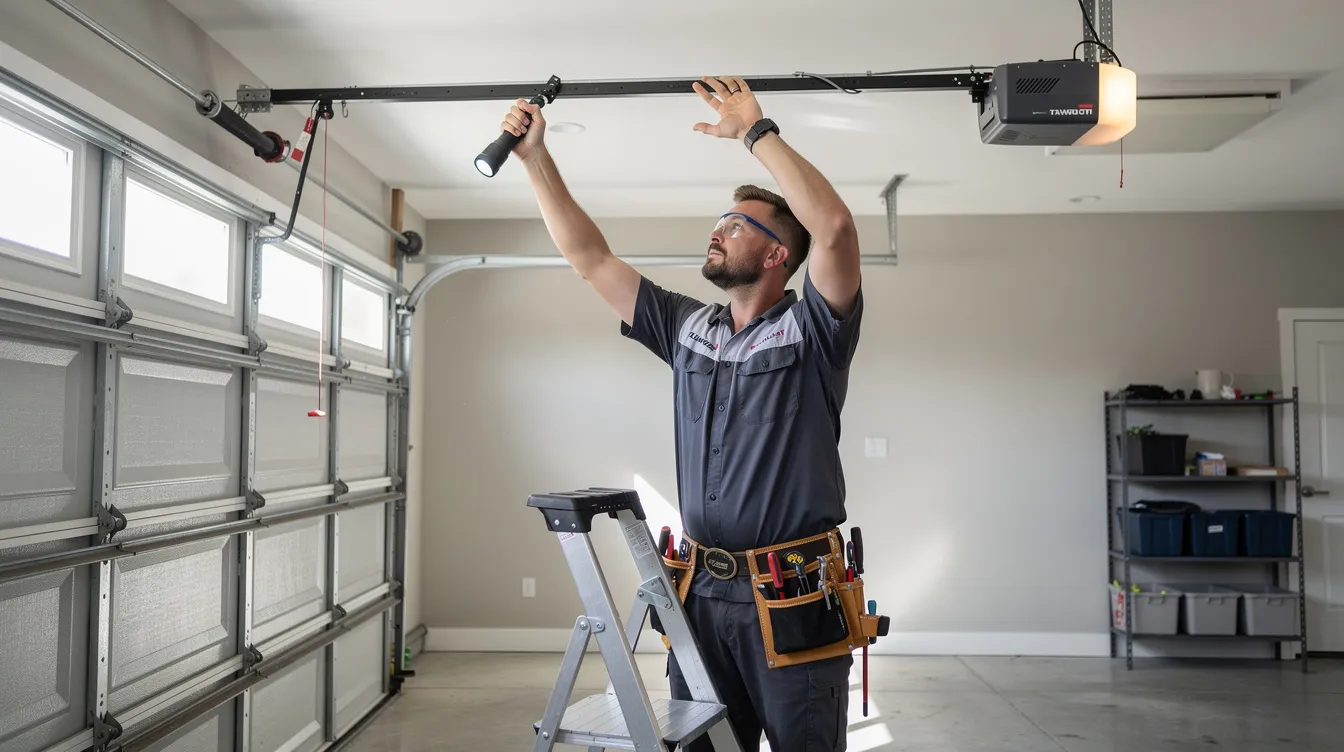
Garage doors can weigh 150-300 pounds or more, and Old Town Garage Door Repair prioritizes customer safety above DIY risk-taking. Inspecting for broken springs or damaged tracks is essential if a garage door appears heavy or cannot be lifted manually.
Stop and call a professional if you encounter:
Broken springs or slack/off-drum cables
Severely bent tracks or door off its tracks
Opener smoking, sparking, or smelling burnt
Door that won’t stay in place when released
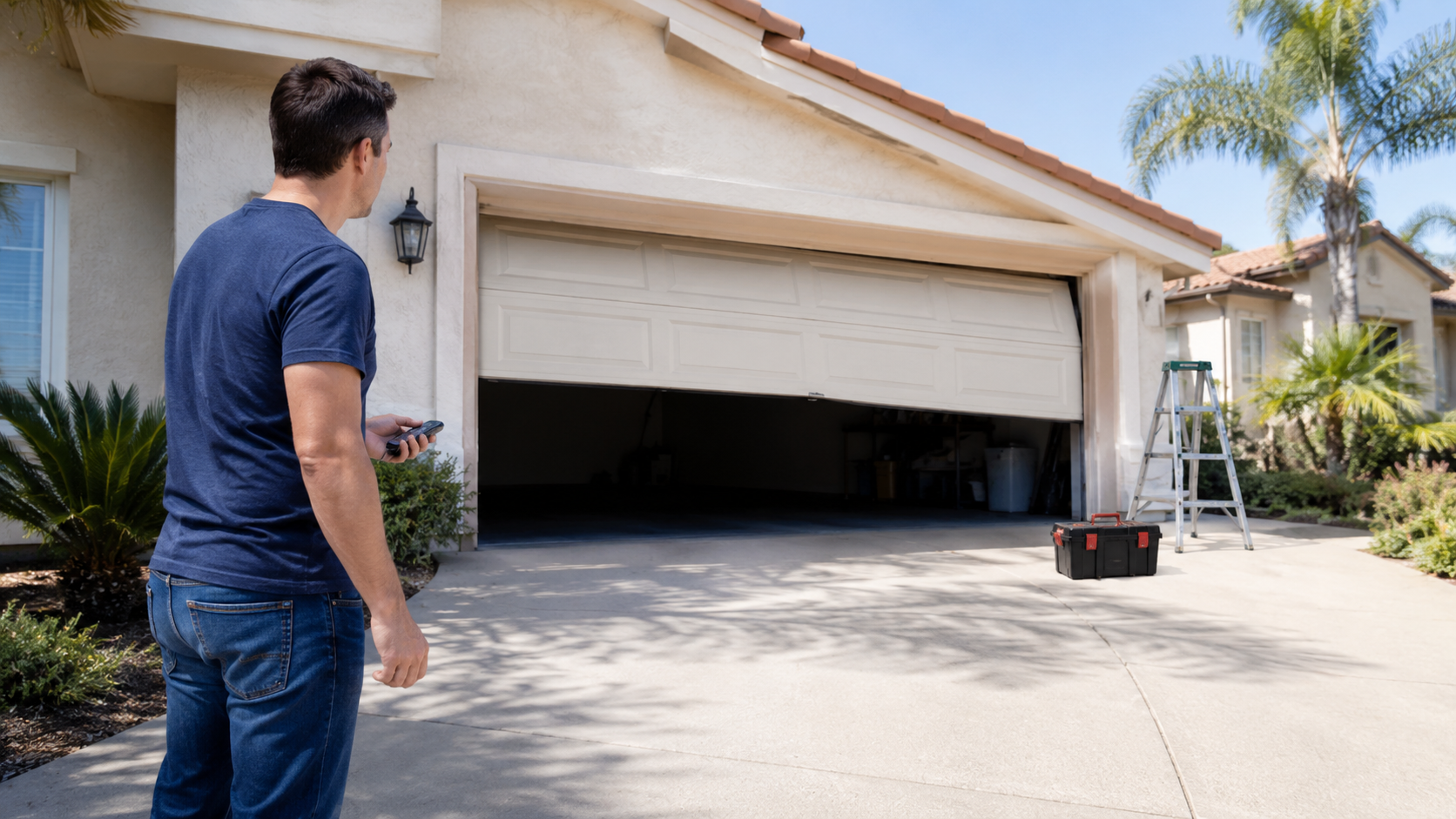
Standing directly under a stuck door, loosening hardware on the spring system, or trying to force a stuck door open can lead to serious injury. Secure the area, keep children and pets away, and avoid using the garage as an entry point until a professional has inspected the system. Same-day and 24/7 emergency service is available throughout Murrieta, Temecula, Wildomar, and nearby cities.
Why Choose Old Town Garage Door Repair in Murrieta, CA
Old Town Garage Door Repair is a family-owned, veteran-operated local business focused on fast, honest service for Murrieta homeowners. Regular professional maintenance of garage doors can prevent most issues, as many problems are avoidable with proper care and inspection.
Our services include:
Opener troubleshooting and replacement
Roller and track service
Routine maintenance tune-ups
We serve Murrieta plus Temecula, Wildomar, Lake Elsinore, Menifee, Corona, and surrounding Inland Empire communities with top-rated garage door repairs and installations. Our 24/7 emergency response handles stuck doors, broken springs, and doors that won’t close securely—with same-day solutions whenever possible.
Contact Old Town Garage Door Repair today to get your garage door working safely again. We offer transparent pricing and use high-quality replacement parts on every job.

FAQs
These questions address concerns Murrieta homeowners ask most often about garage door problems not fully covered above.
-
First, ensure the door is fully closed. Pull the red emergency release cord straight down to disconnect the opener from the door. Lift the door evenly with two hands, being cautious of the weight. If the door feels too heavy, stop immediately—this can signal a spring problem requiring a technician. To re-engage the opener later, lift the door until the trolley reconnects with a click, or pull the release cord toward the opener and then operate the remote.
-
This frustrating issue typically indicates broken spring damage, severe binding in the tracks, or opener force settings detecting too much resistance. Don’t keep trying to force the door open—this can burn out the motor or strip gears. Call a professional immediately to schedule residential garage door repair in Murrieta, especially if any spring or cable damage is visible from the ground.
-
Homeowners can safely lubricate hinges, metal rollers, and springs using a garage-door-specific or silicone-based spray 2-4 times per year. Avoid putting lubricant on the tracks themselves, as this attracts dust and causes sticking. Lubrication helps the mechanism operate smoothly but doesn’t fix structural issues like broken springs or bent tracks.
-
Most Murrieta homeowners should have a professional inspection and tune-up about once a year. During annual maintenance, a professional will inspect the garage door’s opening system for potential problems, perform any needed garage door spring replacement or adjustment, and lubricate the tracks and motor, which can extend the lifespan of the opener. A typical visit includes checking spring balance, tightening loose hardware, adjusting opener limits, and performing a complete safety test.
-
The door should not be operated if a spring is broken or clearly damaged, whether manually or with the opener. Using a door with a compromised spring can cause additional damage to cables, tracks, the opener, and the door panels. Stop using the door, keep vehicles and people clear of the area, and contact Old Town Garage Door Repair for fast, safe spring replacement.