
Common Causes and Repair Solutions for a Noisy Garage Door
Key Takeaways
Most noisy garage door issues in Murrieta and Temecula stem from lack of lubrication, loose hardware, worn rollers, or an aging opener
Simple DIY checks like tightening accessible bolts and applying proper lubricant to hinges and rollers can noticeably reduce noise when done safely
Springs, cables, balance issues, and major track problems are dangerous and should only be handled by a professional technician
Upgrading to nylon rollers, better insulation, and a belt drive opener can dramatically quiet your door and the entire garage
Contact Old Town Garage Door Repair in Murrieta for same-day, 24/7 service across the Inland Empire when your door needs expert attention
Why Your Garage Door Is So Loud All of a Sudden
Picture this: it’s 6:30 a.m. on a weekday in Murrieta, and your garage door wakes up the entire house as you head to work. That louder-than-usual noise almost always signals wear, lack of maintenance, or a developing safety issue rather than normal aging.
The most common causes of garage door noise include:
| Noise Type | What It Usually Means |
|---|---|
| Grinding | Roller or opener gear issues |
| Squealing | Dry hinges or bearings |
| Rattling | Loose hardware or chain slap |
| Banging | Spring failure or panel binding |
| Clunking | Track misalignment |
| Opener hum | Motor strain or drive wear |
Climate in Riverside County accelerates these problems. Heat exceeding 100°F in summer thins lubricants, dust from inland winds embeds abrasively in moving parts, and occasional moisture promotes rust destroying metal components. After 3-5 years of use, these factors make noise far more likely. Don’t ignore new or worsening sounds—they often precede broken springs, failed openers, or off-track doors.
Quick Safety Check: When to Stop Using the Door and Call a Pro
Torsion springs, high-tension cables, and heavy door panels can cause severe injury if mishandled. A failing spring stores energy comparable to a rifle shot, capable of causing serious injury or worse.
Stop using your door immediately if you hear or see:
A single loud bang like a gunshot (90% indicate snapped springs)
Door slamming shut uncontrollably
Door jerking or jumping off track
Cable hanging loose or showing visible slack
Opener straining without lifting the door
Visible gaps between door sections
Pull the emergency release only if the door is fully closed and safe to do so. Otherwise, keep family members away and call for help. Any work involving springs, cables, bottom brackets, or severely bent tracks should be left to trained technicians.
Old Town Garage Door Repair offers 24/7 emergency service in Murrieta, Temecula, Wildomar, Lake Elsinore, Menifee, and Corona for these situations.
Step-by-Step: How We Quiet a Noisy Garage Door
This section walks through the same diagnostic and tune-up process Old Town Garage Door Repair techs use on service calls. Homeowners can safely observe or gently test some steps, but the full process is performed by licensed, insured professionals. Each step builds on the previous: listen, inspect, tighten, replace worn garage door parts, lubricate moving parts, then test and adjust the opener for quieter operation.
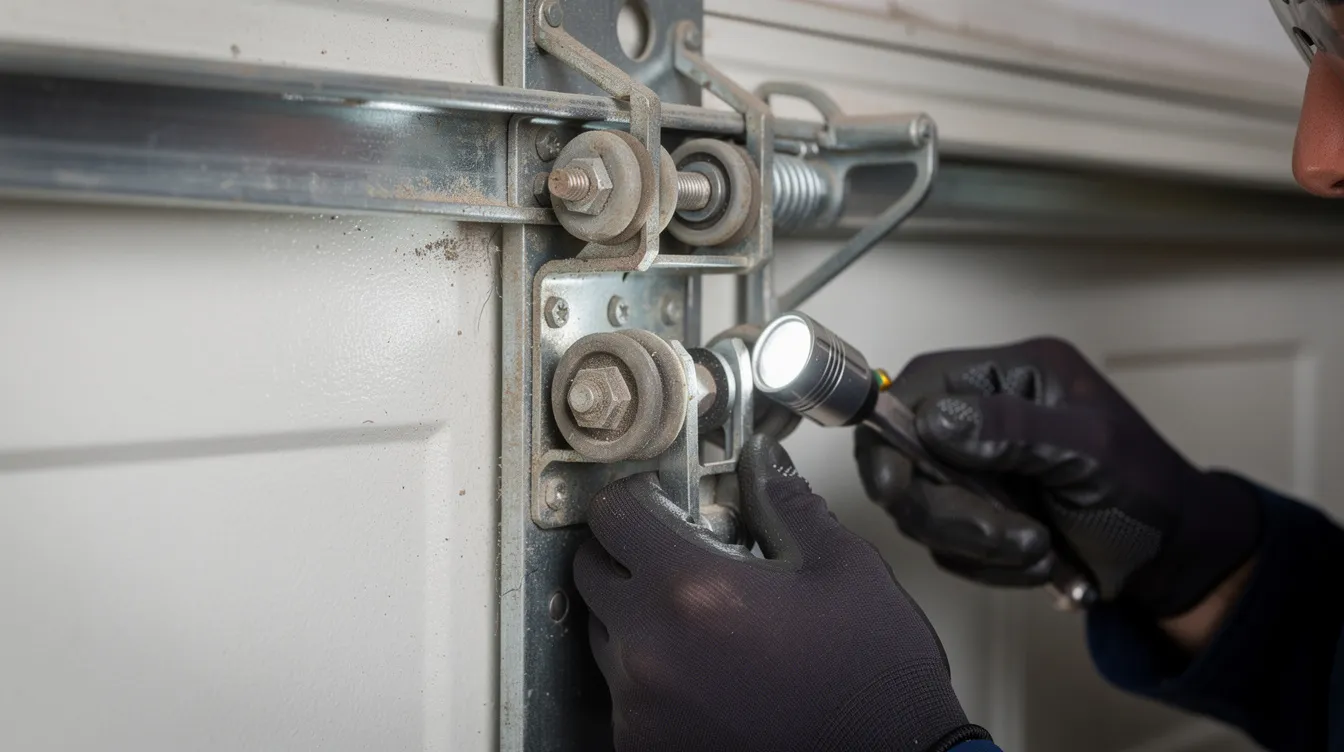
Step One – Listen and Pinpoint the Noise
We run the door open and closed while listening for specific sounds at different points of travel. This helps isolate whether noise is coming from the door hardware like hinges and rollers, from the torsion springs area, or from the opener and its rail.
Stand inside the garage with the door closed and the opener engaged. Note if the noise is louder near the ceiling or at the door itself. Professionals also watch for vibration, shaking sections, or binding in the tracks that correspond to what you hear.
Step Two – Basic Prep and Safe Access
For non-emergency adjustments, we start with the door fully closed and the garage door opener unplugged or power disconnected at the breaker. Locking pliers or clamps on the track prevent the door from suddenly moving during manual checks.
Before a scheduled visit, homeowners should clear vehicles from the garage, move storage items 3-4 feet away from the tracks, and ensure good lighting. Our technicians arrive with a stocked service truck containing sockets, wrenches, replacement rollers, hinges, cables, and approved lubricants.
Step Three – Tighten Loose Hardware
Continuous vibration from daily use loosens hinge bolts, roller brackets, track supports, and opener mounting brackets over time. We carefully tighten nuts and lag screws so they’re snug but not overtightened, avoiding stripping or warping thin metal sections.
Common trouble spots in 10+ year-old doors include hinges between middle sections and sway brace connections on double doors. Homeowners can gently snug obviously loose hinge or track bolts with a wrench but should avoid any fasteners attached directly to springs or cables.
Step Four – Inspect and Replace Worn Rollers and Hinges
Worn rollers develop flat spots, cracked wheels, and loose or seized bearings. These create clicking, popping, grinding, and rhythmic squeaks. Upgrading from old metal rollers to quiet nylon rollers with sealed bearings reduces noise by 60-80%—ideal for Southern California homes built between 2005 and 2018.
We inspect hinges for cracks, bending, or elongated screw holes that cause sections to flex and creak. Old Town Garage Door Repair can usually replace a full set of rollers and failing hinges in a single visit, dramatically reducing that noisy door.
Step Five – Check Tracks, Alignment, and Door Balance
We inspect vertical and horizontal tracks for dents, rub marks, and gaps indicating misalignment. Small misalignments can often be corrected by loosening track brackets and realigning to manufacturer clearances (1/16-inch typical).
The basic balance check involves pulling the emergency release when safe, lifting the door by hand to mid-height, and seeing if it stays roughly in place. An unbalanced door that slams down or won’t stay up indicates spring issues requiring professional attention.
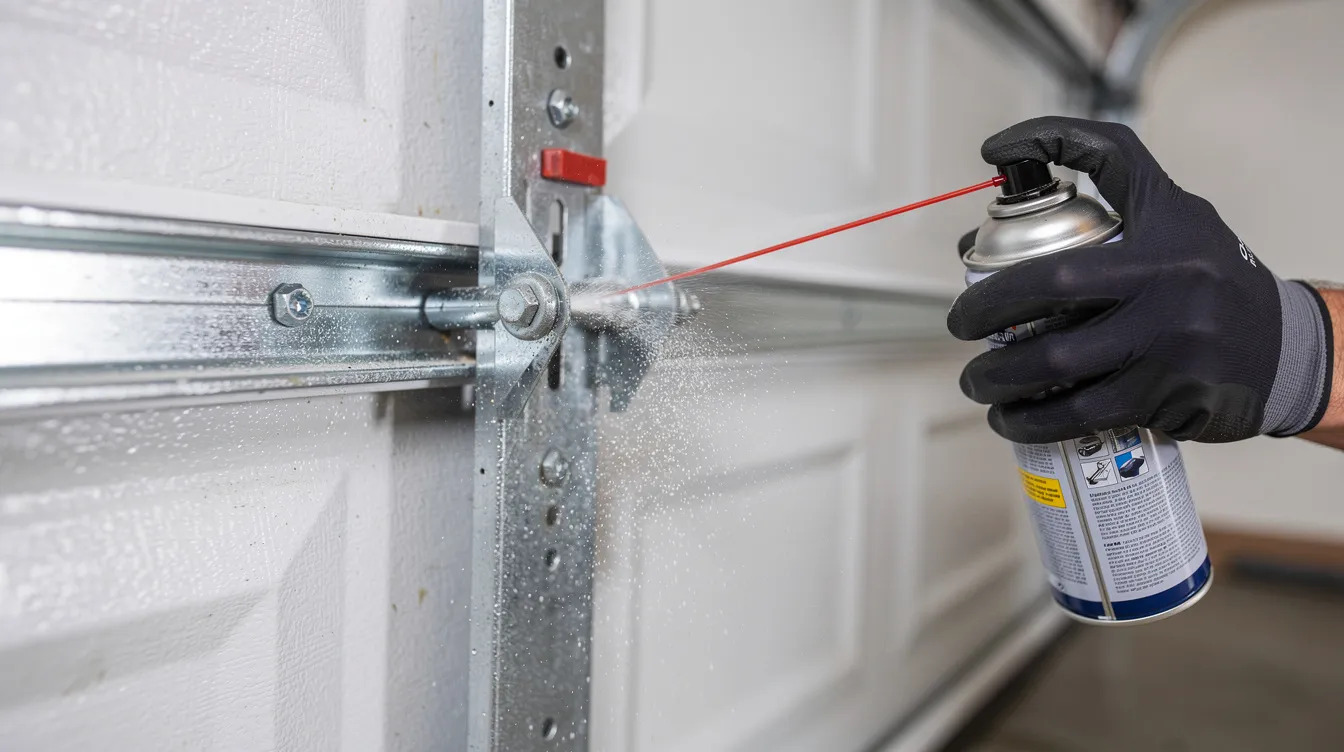
Step Six – Lubricate the Right Parts the Right Way
WD-40 is a cleaner and solvent, not a long-term garage door lube. For proper lubrication, use silicone spray or white lithium grease designed specifically for garage doors.
Apply a small amount of lubricant to:
Roller bearings
Hinge pivot points
Torsion spring coils
Opener rail (if manufacturer recommends)
Wipe away excess to avoid drips on cars or floors. Proper garage door lube creates a thin film that reduces friction and prevents dust adhesion common in Inland Empire garages. We also check chain or belt tension for optimal quiet operation.
Step Seven – Evaluate and Tune the Garage Door Opener
Older chain drive openers from the early 2000s are naturally louder and may rattle against the ceiling or header. We check opener mounting brackets, rail connections, and safety sensor alignment, tightening anything that creates vibration.
Adjusting travel and force settings ensures the opener isn’t overworking, reducing both noise and wear on motor and gears. In many Murrieta homes, swapping to a modern belt drive opener with soft-start technology has been the single biggest step toward quieter operation.
Most Common Causes of a Noisy Garage Door (and What They Sound Like)
This quick “noise translator” helps you match what you hear to likely causes before a technician arrives. Note when during travel the noise happens to share with Old Town Garage Door Repair when scheduling services.
Squeaking and Squealing
High-pitched squeaks usually point to dry hinges, rollers, or spring coils rubbing together. Lack of lubrication for more than 12-18 months is a common cause, especially in dusty noisy garage environments. Careful application of proper lubricant often provides immediate relief. If squeaking returns quickly after lubrication, the hardware needs professional inspection for wear.
Grinding, Scraping, or Metal-on-Metal Sounds
Grinding indicates rollers scraping the track due to misalignment, bent track sections, or failing bearings. Scraping near the top of travel can mean horizontal tracks are pitched incorrectly. Motor-area grinding could indicate worn opener gears or a failing drive sprocket in units over 10-12 years old. Stop operating if grinding is severe—it can quickly damage tracks and brackets.
Rattling, Vibrating, and Clanking
Loose hardware including nuts, bolts, strut braces, and opener mounting brackets causes most rattling and clanking. Double-wide doors without sufficient reinforcement can flex and rattle metal braces against panels. Adding or adjusting struts reduces panel flex. Rubber isolation mounts can tame ceiling joist vibration from older openers.
Loud Bangs, Pops, or Thuds
A single, sudden bang when the door isn’t moving often indicates a broken torsion spring—treat this as an emergency. Repeated popping during travel can mean the door is out of balance or binding in tracks. Don’t try to lift an unbalanced door; it can weigh 150-250 pounds. Call Old Town Garage Door Repair immediately for same-day spring service.
Opener Humming, Whining, or Straining
A humming opener that doesn’t move the door signals a stripped gear, seized motor, or door that’s too heavy due to spring failure. High-pitched whining during operation indicates a worn belt or chain needing adjustment. Repeated thermal protection trips suggest the door hardware isn’t moving freely. Have both opener and door mechanism inspected together for repairs.
DIY Noise-Reduction Tasks You Can Safely Do at Home
Some basic regular maintenance is safe for most homeowners and prevents minor noises from becoming major repairs. None of these tasks involve adjusting springs, cables, or bottom brackets—those remain strictly professional territory. Even with DIY care, schedule a yearly professional tune-up.
Visual Inspection and Simple Tightening
Inspect hinges, roller brackets, and track brackets with the door closed. Look for visibly loose or missing fasteners. Use a basic wrench to snug clearly loose hinge or track bolts, avoiding brackets connected to springs or cables. Stop if you encounter rusted, stripped, or severely bent hardware. Check opener mounting bolts at the ceiling for looseness that causes rattle.
Safe Cleaning and Lubrication
Clean track interiors with a dry cloth to remove dust and cobwebs—don’t use grease inside tracks. Apply a small amount of silicone or lithium grease to roller bearings, hinge pins, and spring coils, then cycle the door to distribute. Use cardboard as a shield to prevent over-spray on panels or vehicles. Check your opener manual; some newer belt systems shouldn’t be lubricated.
Reducing Garage Noise Transfer into the House
Adding or upgrading weatherstripping along the bottom and sides reduces sound transfer and improves energy efficiency. Insulated steel doors with nylon rollers are noticeably quieter than older, hollow pan doors with metal rollers. Rubber isolation pads between the opener and mounting brackets cut vibration into ceiling joists, especially under bedrooms. Old Town Garage Door Repair can quote noise-reduction upgrades during regular service visits.
When It’s Time to Upgrade: Quieter Doors and Openers for Inland Empire Homes
After 15-20 years of service, many original doors and openers in Murrieta are better replaced than repeatedly repaired. Upgrading delivers significantly lower noise plus improved safety, security, and less maintenance. Consider upgrades preemptively instead of waiting for complete failure, especially if your garage is under a living space.
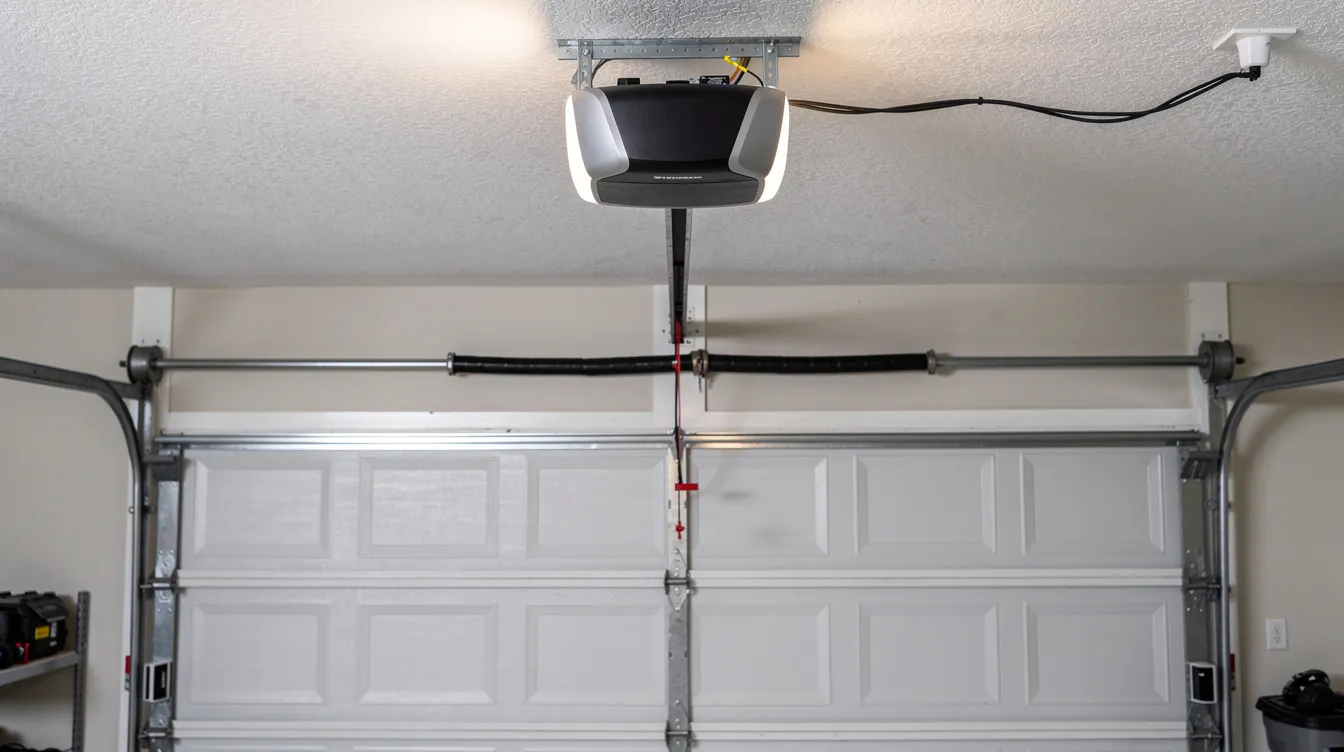
Quieter Opener Options
Modern belt drive and direct-drive systems operate under 50 dB compared to 70-85 dB for older chain drive units. Features commonly requested by Inland Empire homeowners include battery backup, smartphone control, LED lighting, and motion sensors. Belt-drive openers mounted with isolation hardware dramatically reduce noise transmitted into upstairs bedrooms. Old Town Garage Door Repair can replace and set up a new opener in a single afternoon.
Door and Hardware Upgrades That Cut Noise
Insulated steel doors with internal foam cores quiet operation and stabilize garage temperatures during Murrieta’s hot summers. Nylon rollers with sealed bearings stay quiet with minimal maintenance for 15-20 years. Modern heavier doors require properly sized springs and hardware, which we install to manufacturer specs. In one local project, replacing a 1990s non-insulated door noticeably reduced street-facing noise and improved curb appeal.
Why Choose Old Town Garage Door Repair for Your Noisy Door
Old Town Garage Door Repair is a family-owned, veteran-operated local business rooted in Murrieta. We offer 24/7 emergency service, transparent pricing, high-quality garage door parts, and technicians trained to prioritize safety and cleanliness.
We serve Murrieta, Temecula, Wildomar, Lake Elsinore, Menifee, and Corona for both residential and light commercial doors. From minor noise-reduction tune-ups to full door and opener replacements, we handle everything so you don’t need multiple contractors.
Ready to fix that noisy garage door? Call, text, or schedule online for a same-day inspection. Our team provides written estimates before work begins, so you know exactly what to expect.

FAQs
-
Mild, gradual noise increases from a door that still moves smoothly may be safe short-term, but they signal pending maintenance needs. Schedule a professional tune-up within the next week or two if noise is new or noticeably worse. If the door jerks, hesitates, or the opener strains, stop using it and call for service.
-
An annual professional inspection works for most Murrieta-area homes. High-use doors with multiple vehicles or home businesses benefit from twice-yearly service. The combination of heat, dust, and frequent cycling makes regular garage door maintenance essential to prevent noise and ensure components remain properly lubricated.
-
While experienced DIYers can safely replace a few accessible rollers or hinges, it’s easy to mishandle components near springs or cables. Removing the wrong bracket can cause door sections to shift or fall. Most homeowners should let a professional handle roller and hinge replacement as part of complete service.
-
A new belt-drive opener makes motor noise much quieter, but it won’t fix grinding or squeaking caused by bad rollers or misaligned tracks. Inspect and service the full door system alongside an opener upgrade for the quietest result. We routinely bundle opener replacement with hardware upgrades for a complete solution.
-
Costs vary depending on whether the fix involves a simple tune-up, roller replacement, spring work, or full upgrades. Basic tune-ups cost less than major component replacement, and bundling services often saves 20-30%. Contact Old Town Garage Door Repair for a quick consultation and on-site quote tailored to your specific door and opener system.